FROM B2C TO B2B: HOW OSNOVA IS HELPING COMPANIES BUILD WORKFORCE SKILLS AT SCALE
Uzbekistan’s growing companies face a challenge that technology alone cannot solve: finding enough qualified people and developing teams quickly enough to support business growth.
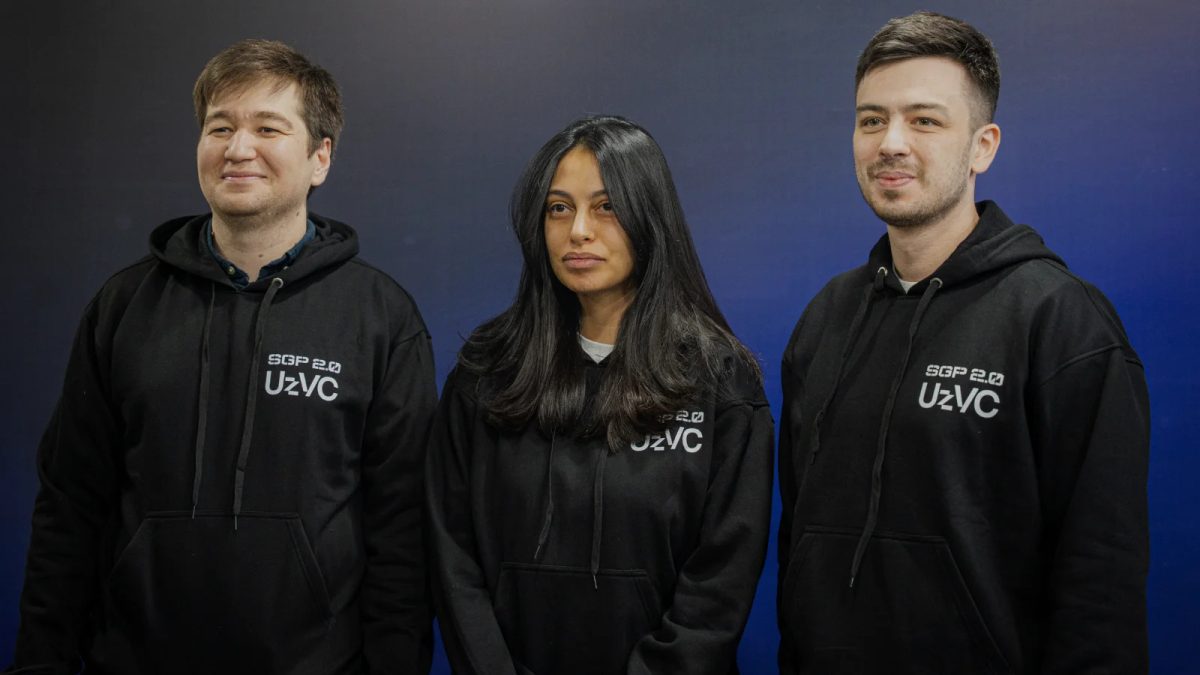
Kamila Uzakova and her partners, Anton and Alisher, had spent more than a decade building education businesses when they recognised that the Uzbek market was becoming ready for online learning at scale. In 2024, they launched OSNOVA to help close the gap between the skills employers needed and the capabilities available in the workforce.
OSNOVA initially entered the market as a B2C career platform for young people. When that model did not prove commercially sustainable, the team turned its attention to corporate clients. Today, OSNOVA provides companies with a unified platform for employee development and talent management, combining a ready-to-use skills library, assessments, analytics, simulations and AI-powered content creation tools.
In this conversation, Kamila speaks about OSNOVA’s move from B2C to B2B, winning its first corporate customer, shortening the client launch process from more than a month to a few days, and helping Georgian companies prepare local teams for the Uzbek market.
- Can you recall the specific moment you first thought that OSNOVA needed to exist?
The turning point came in late 2023, when we saw that Uzbekistan’s market was becoming ready for online learning. My partners, Anton and Alisher, and I had spent more than a decade building education businesses, including one of Uzbekistan’s leading training companies. We understood the gap between the skills employers needed and the capabilities of the workforce, and the need to train people quickly and at scale. After experimenting with online learning, we launched OSNOVA in 2024.
- What pivotal choice did you make when you decided to turn the idea into a business?
The pivotal choice was to build our own digital platform to address that skills gap at scale. We committed to working as a startup: researching customer needs, testing hypotheses, and refining the product based on evidence. We initially focused on B2C and later pivoted to B2B.
- How did you win your first corporate customer in Uzbekistan?
We won our first corporate customer through a partnership with Ipoteka Bank, part of OTP Group, while we were still focused on B2C. Together, we launched Bilimxona, an initiative offering free access to online education across Uzbekistan. Alongside it, we integrated our platform and skills library into the bank’s employee training. Seeing employees complete courses and learn new digital tools helped us recognise the platform’s value for corporate clients.
- Which business problem are local companies willing to pay you to solve?
Companies pay us to address a constraint on growth: they cannot find enough qualified people or develop their teams quickly enough. OSNOVA provides a unified system for employee development and talent management. Our AI tools help create training in hours rather than weeks, simulations let employees practise before working with customers, and analytics help managers identify skill gaps and assess readiness for new roles.
- What most often delays closing a sale with a bank or a large retail chain?
The main delays are internal approvals and tender procedures. Several departments need to review the purchase, and procurement may require a formal tender. Even when there is clear interest, these processes can significantly extend the sales cycle.
- How do you price the standard platform versus a customised training programme?
Our core subscription includes the employee development platform and a ready-to-use skills library. Pricing depends on the number of users and the additional AI tools the company chooses. Custom training modules are priced separately according to the scope and volume of development work.
- What does a new customer's journey look like from signing the contract to the first employee group starting training?
We define the client’s goals, integrate the platform, and train their team to use it, supporting migration from an existing solution where needed. We then add users and help launch the first activities, which may include assessments, testing, or training. Support is more intensive during the first month, and we remain in regular contact throughout the partnership.
- Which measurable work outcome best demonstrates the value of your training?
The clearest measurable outcome is how quickly a client can get started. Previously, launching a client took a month or more; now it takes just a few days. Our ready-to-use skills library and AI content creation tools help companies launch training faster, while analytics let managers track participation, progress, and completion.
- Can you describe a project that did not deliver the result you expected?
Our initial B2C model did not prove commercially sustainable. We launched OSNOVA as a career platform for young people in Uzbekistan, helping them choose a profession and develop in-demand skills. User growth was slow at first and then accelerated through partnerships, but too few users became paying customers to make the economics work. The need remained real, which led us to explore B2B.
- What did that experience change in your own approach to running OSNOVA?
It made us more disciplined about focus. We had been testing many ideas and formats, so I became more deliberate about which customer problems to prioritise and where to concentrate our resources. That lesson shaped both our move into B2B and how we set priorities today.
- How would you prepare a local team for a Georgian company newly entering Uzbekistan?
We would help the company establish a consistent onboarding and development process in OSNOVA, so the local team shares a clear understanding of its products, processes, and standards. The company could assess skills and build learning paths using its own materials and our skills library. Simulations and analytics would help employees prepare for work and managers track readiness.
- If you could recommend just one first step to a Georgian company preparing a team in Uzbekistan, what would it be?
Start with a readiness assessment based on clear requirements for each key role. Those requirements should reflect the company’s standards, adapted to local language needs, working practices, and customer expectations. This reveals the gaps to address before launch.
- How is responsibility for employee participation shared between OSNOVA and the client's managers?
OSNOVA provides the tools, analytics, and ongoing support for continuous workforce development. The client’s managers set priorities, assign assessments and learning, and give employees the time and support to participate. Together, these roles make development part of everyday work.
- What language or technical changes would the same programme need for Georgian and Uzbek teams?
The core employee development processes are similar across markets, so the same platform can support both teams. OSNOVA is available in Russian, Uzbek, and English, and Edra enables companies to create content from their internal materials in the language their teams need. Companies can adapt the content to their processes and local context within the platform; any additional technical requirements would depend on their existing systems.
- Which real case led you to give that market-entry advice?
When TBC entered the Uzbek market, we delivered training in customer service and communication for the TBC Bank Uzbekistan team through Alpha, our training business. We began by carefully understanding the company’s needs and expectations, then shaped the training around them. That experience underpins our advice: clarify what the company expects from its local team before assessing readiness and deciding how to prepare them.
OSNOVA’S STORY SHOWS WHY A BUSINESS MODEL MAY NEED TO CHANGE EVEN WHEN THE PROBLEM REMAINS REAL
OSNOVA began by addressing a genuine need among young people in Uzbekistan, but the company’s initial B2C model did not generate enough paying customers to become commercially sustainable. Instead of abandoning the underlying problem, the team reconsidered who was most willing to pay for the solution.
The move into B2B gave OSNOVA a clearer commercial focus. Companies needed faster employee onboarding, more consistent training, better visibility into workforce skills and practical tools for preparing employees for new responsibilities.
Kamila’s experience also offers a relevant lesson for Georgian companies entering Uzbekistan. Building a local team should begin with clearly defining what the company expects from each role. Only then can the company assess readiness, identify skill gaps and create training adapted to local languages, working practices and customer expectations.
The experience with TBC Bank Uzbekistan demonstrates how this can work in practice. By first understanding the company’s requirements and then adapting the training programme around them, the team was able to prepare employees in customer service and communication for the local market.
We are grateful to Kamila Uzakova for sharing OSNOVA’s journey, the lessons behind its move from B2C to B2B, and practical advice for companies building teams across Georgia and Uzbekistan.