President
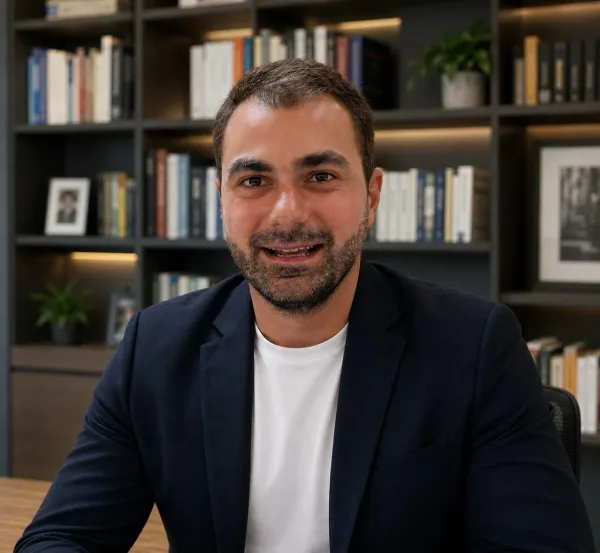
Andri Chanturia
Founder · KiwiPost
“Business grows where people are willing to build relationships first.”
Meet Andri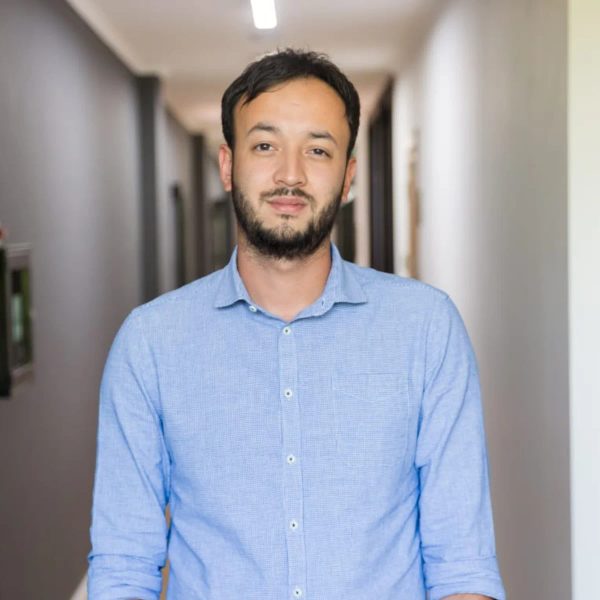
Co-founder · Profsoyuz, We Digital and AIM Lab
“Call before you come, and spend your first trip listening, not selling.”
Feruz Yakoubkhodjaev is a Tashkent-based entrepreneur and communications specialist. He is a co-founder of Profsoyuz, a PR and influencer marketing agency; We Digital, a digital agency; and AIM Lab, the team behind the AI call analytics platform Kotib.ai. Before the agencies, he headed marketing for Samarqand Darvoza mall and The Tower Mall Management Group in Tashkent. He teaches PR and crisis communications at ALPHA. Since 2016 he has been writing Nablyudeniya pod chinaroy ("Observations Under the Plane Tree"), a Russian-language Telegram channel about Tashkent, society and marketing, and he also runs the Instagram account @fer_uzbek_daily and the YouTube channel Grazhdanin Gorozhanin ("Citizen City-Dweller").
I have spent almost twenty years in Uzbek business, most of it helping companies find the right words and the right people. I started as a trader at the Uzbek commodity exchange, moved into sales and marketing at BCD Travel, and then headed marketing for Samarqand Darvoza mall and The Tower Mall Management Group in Tashkent. Today I am a co-founder of Profsoyuz, a PR and influence-marketing agency that works with government bodies, developers, banks and consumer brands. I also co-founded We Digital, a digital agency, and AIM Lab, the team behind the AI call analytics platform Kotib.ai. On the side I write for my own audiences on Telegram, Instagram and YouTube. I work in Uzbek, Russian, English and French.
Inside our group we have an informal format we call "Landing in Uzbekistan". When a foreign company comes to explore the market, we set up a series of meetings: people from government who explain how things actually work, local entrepreneurs, and foreigners who have run a business here for ten years. Landing means touching the ground and seeing the country as it is, without rose-tinted glasses. When Katie told me about the Hub, I recognised the same idea, built from the Georgian side. Some of my closest friends have been quietly connecting Tbilisi and Tashkent for years. The Hub gives that work a home.
Because it has already been proven, not just predicted. Georgian banks, fintech, logistics and coffee companies already work in Tashkent, and Uzbek customers like them. The two countries complement each other. Georgia is small, open and fast, and it is a gateway to the Black Sea and Europe. Uzbekistan is a market of more than 37 million people that changes every year. And there is the human side: the same hospitality, the same respect for a long table and a personal word. Georgians and Uzbeks understand each other quickly, and in business that saves a lot of time.
Asking the wrong people, or not asking at all. I have seen companies arrive with a romantic picture, because someone told them Uzbekistan is "the new Dubai". I have seen others arrive with numbers that are simply wrong. A friend from Tbilisi once came back from a trip convinced that construction here costs around $960 per square metre. The real figure was less than half of that; $900 is the premium segment. He had talked to the wrong people, and nobody checked. Exhibitions don't fix this. You get a few days and a crowd, and if you are unlucky you never meet the one person who matters.
To be the first call. Before you book a flight, you talk to people who have already done what you want to do, on both sides. There are enough exhibitions and official forums. What is missing is a room where founders and operators speak openly about prices, partners and pitfalls. If the Hub works, companies will make fewer expensive mistakes and find honest partners faster. And the corridor will run in both directions: not only Georgian companies coming to Uzbekistan, but Uzbek companies finding partners in Georgia.
Call before you come, and spend your first trip listening, not selling. Meet three kinds of people: officials who can explain the rules, local entrepreneurs, and foreigners who have worked here for years. The truth is usually somewhere between their three stories. Check every number twice. One more thing, from my own profession: in Uzbekistan your most important audience may be five or ten people, not five million. Find out who they are before you spend money on reaching everyone.
A Georgian or Uzbek founder who thinks about the other market sends their first message to the Hub instead of searching the internet. We can name dozens of companies that landed through us and are still here. And the community is strong enough to run without its founders, with members helping members in both directions.
Fewer forums, more handshakes: a corridor where everyone knows whom to call.
“a corridor where everyone knows whom to call.”
Feruz Yakoubkhodjaev — Founding Member
Founder · KiwiPost
“Business grows where people are willing to build relationships first.”
Meet Andri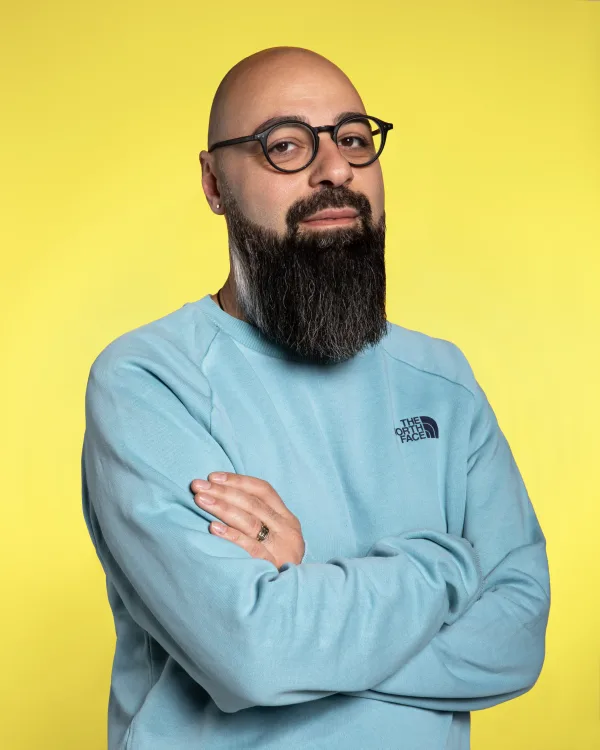
Chief Product Officer · UCMG
“My main advice would be: don't try to enter a new market from a distance.”
Meet Irakli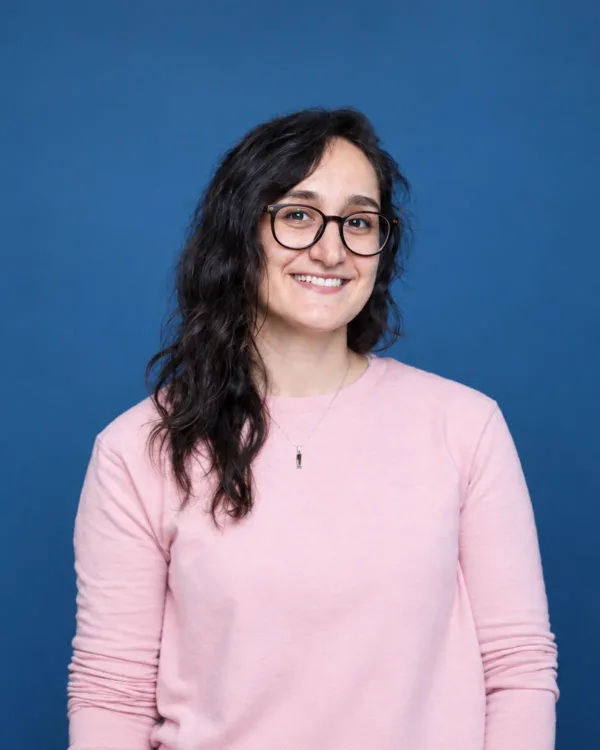
Co-Founder at Z.axis | BD at LingoFlow
“A corridor that carries knowledge as easily as it carries cargo. ”
Meet Katie