President
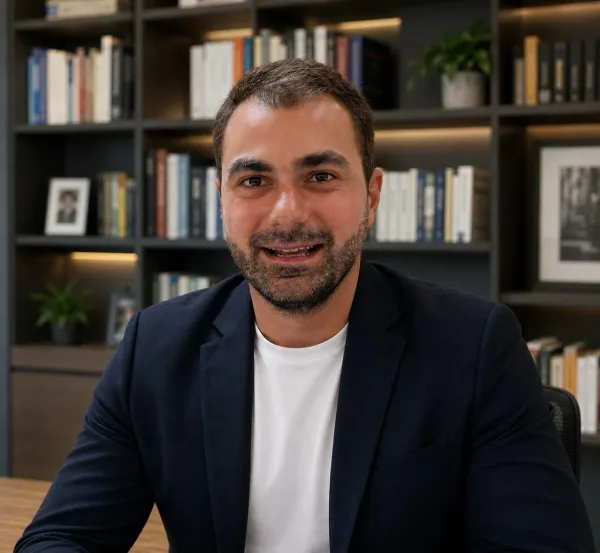
Andri Chanturia
Founder · KiwiPost
“Business grows where people are willing to build relationships first.”
Meet Andri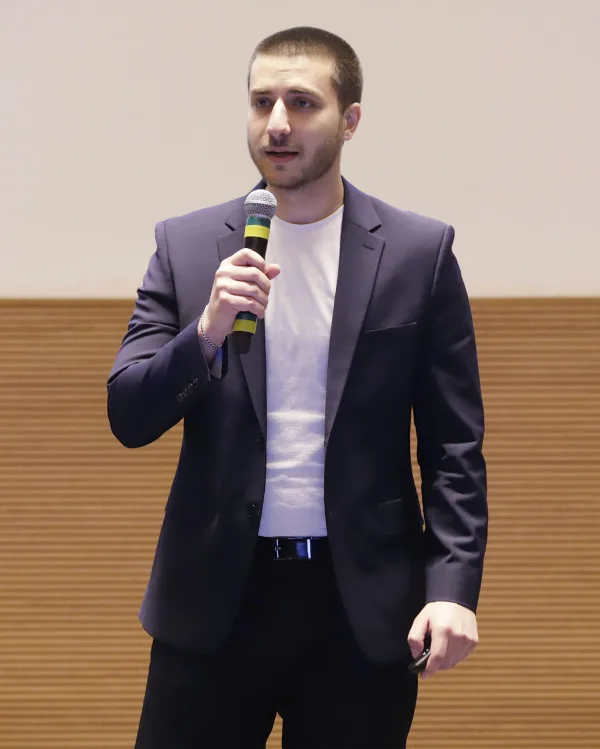
Co-Founder & CFO · VS1 Finance
“I would rather help build the bridge than wait for one.”
I'm Nikoloz Beradze, co-founder and CFO of VS1 Finance. My background is in capital markets, with experience at Scotiabank, Nomura and Galt & Taggart in London and Tbilisi, and a degree in Finance and Accounting from the University of Nottingham. At VS1, we build institutional infrastructure on-chain for capital markets. We provide the rails for regulated securities to be issued, tokenized, distributed, traded and used as collateral. We started in Georgia and are targeting the wider region.
Two things stood out. Georgia and Uzbekistan are moving in a similar direction, both opening up, reforming and building real momentum in capital markets, technology and investment. And the interest between them is already there. What tends to be missing is not opportunity but access. Business between two markets usually starts through people who happen to know people, which works well for those inside the circle and slowly for everyone
else. A hub widens that circle. It gives companies, investors and founders a credible place to start, trusted introductions on the ground, and partners who understand how things actually work in each country. Our own expansion plans at VS1 gave me a clear view of how much value sits in that connection and how much of it is still untapped, and I would rather help build the bridge than wait for one. This way, through us, companies on both sides will spend less time looking for the right door and more time doing business.
The two markets complement each other rather than compete. Uzbekistan brings scale, a domestic market of over 36 million people, a young population and one of the fastest-growing economies in the region. Georgia brings openness, a simple regulatory environment, and trade access into developed markets. A company that establishes itself in one has a natural route into the other, and into the wider corridor between the Caucasus and Central Asia. The timing is what makes it compelling. Uzbekistan's national investment fund was listed in London this year, where demand ran ahead of supply. Across the region more broadly, issuance is improving, pricing is tightening and international investors are paying attention. There is also a structural change worth noting. Business between two markets like these used to depend heavily on proximity and physical presence. That constraint is loosening. On-chain infrastructure allows securities to be issued, settled and transferred instantly, with clear ownership, transparency and the ability to put assets to work as collateral across borders. Distance matters less to capital than it once did, which means this relationship can develop faster than geography alone would suggest.
Assuming that what worked at home will work there. Every market has its own way of doing things. The regulation is different, the approval process is different, the way decisions get made inside a local institution is different. Companies tend to prepare well for the visible parts, the entity, the licence, the office, and underestimate how long it takes to build the relationships that make any of it function. In practice, the hard part is rarely the plan. It is the sequencing, knowing who to speak to first, what needs approval before anything else can move, and where the real timelines sit rather than the official ones. We see a version of this constantly in our own work at VS1, because we operate in a space where finance, regulation and technology meet. Nothing gets built until the regulator understands it and the institutions on the other side of the table are comfortable. That takes time, patience and people who can vouch for you. There is no way to shortcut it, but there is a significant difference between doing it alone and doing it with someone credible alongside you.
To make business between Georgia and Uzbekistan easier to start and more likely to last. Practically, that means being useful where companies usually get stuck. Understanding a market properly before committing to it. Meeting the right partners early. Getting to the right lawyer, accountant, bank or logistics provider without losing months to it. Most of what we do comes down to people who operate in both markets being willing to open doors for each other. Every company that establishes itself well makes the next one easier. The path gets clearer, the network gets deeper, and over time you have real trade and investment moving both ways rather than a handful of one-off deals. That is the part worth aiming for.
Go and see it. Nothing replaces time on the ground, and most assumptions people carry about either market are a few years out of date. Uzbekistan is moving quickly. The government has been actively building the conditions for foreign companies to operate, from IT Park and the incentives around it to the new legal framework for the international digital technology centre, which gives technology companies and investors a clear and protected environment to work in. Whatever sector you are in, understand what has been put in place before assuming anything about the regulatory picture. Georgia rewards a different kind of preparation. Setting up is easy, taxes are simple and trade access is broad, so the question is less about entry and more about what you offer once you are there.
Beyond that, the advice is the same for both. Take the relationships seriously and give them time. Find people who know the market and are willing to be honest with you about it. Companies that arrive with a partner, or at least with someone credible making
introductions, tend to move considerably faster than those who arrive with only a plan.
A company in Tashkent thinking about Georgia, or a company in Tbilisi thinking about Uzbekistan, and the Hub being the first call they make. That means a network deep enough to put almost any company in front of the right partner quickly and a track record of businesses that came through us and are still operating years later. Real activity in both directions, not only Georgian companies heading east, with wider coverage across both
economies, key sectors strengthening on each side, and deeper capital markets to support it.
Two markets that stop treating each other as opportunities and start operating as partners.
“A company that establishes itself in one has a natural route into the other, and into the wider corridor between the Caucasus and Central Asia. The timing is what makes it compelling.”
Nikoloz Beradze — Founding Member
Founder · KiwiPost
“Business grows where people are willing to build relationships first.”
Meet Andri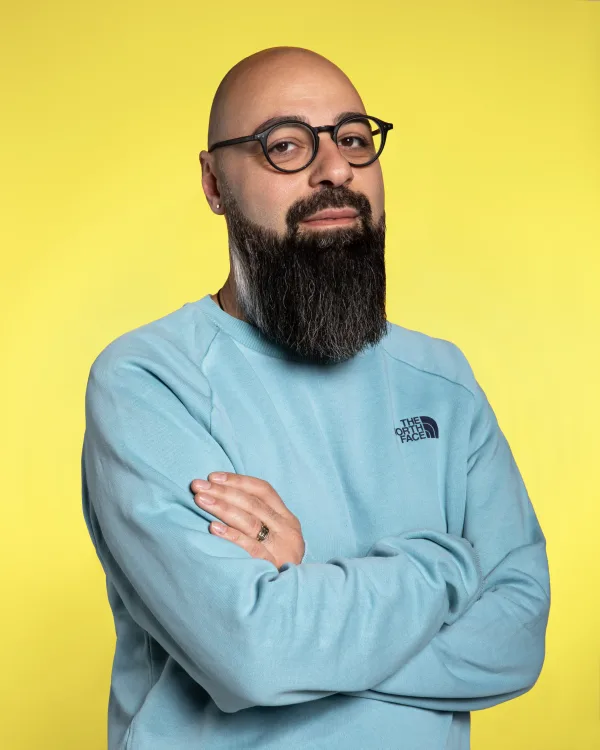
Chief Product Officer · UCMG
“My main advice would be: don't try to enter a new market from a distance.”
Meet Irakli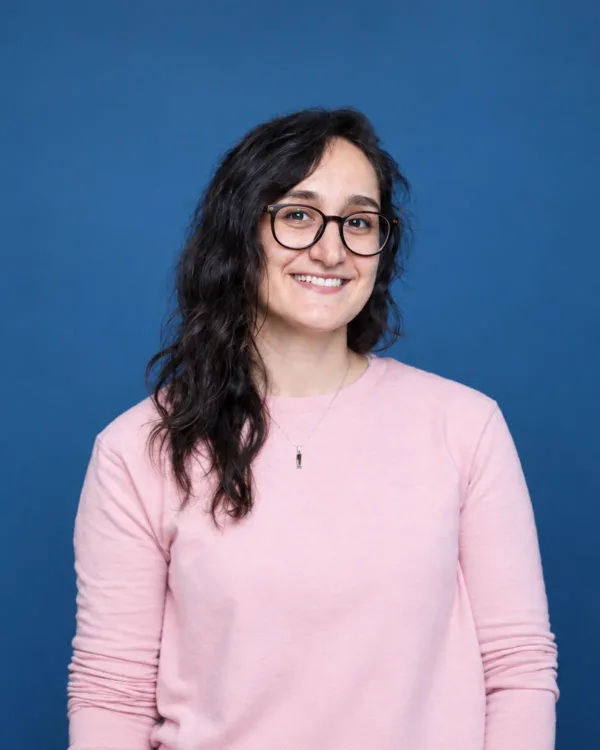
Co-Founder at Z.axis | BD at LingoFlow
“A corridor that carries knowledge as easily as it carries cargo. ”
Meet Katie